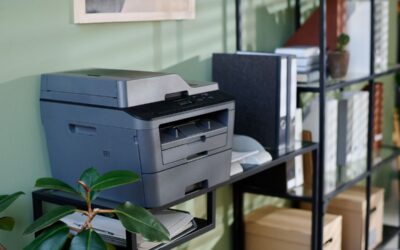

If you are searching for a commercial printer for sale, you likely need more than a basic device. You need speed, clear output, low running costs, and dependable performance. The right machine can support invoices, marketing pieces, reports, labels, and day-to-day workflows without slowing your team down. While some home office printers offer useful features for light use, true office printers are built for heavier demand. This guide explains what to look for, how to compare options, and how to decide which commercial printer fits your space, budget, and goals.
Why Businesses Shop for a Commercial Printer for Sale
Businesses usually start shopping when their current printer can no longer keep up. A slow device causes delays. Weak color quality can hurt customer-facing materials. Frequent toner changes or paper jams waste time. A commercial printer solves these issues by delivering faster print speeds, higher monthly duty cycles, and more consistent results. According to recent buyer guides, many modern office printers now focus on speed, print quality, and value rather than price alone, because downtime often costs more than the device itself.
Key Features to Compare Before You Buy
Start with print speed. Pages per minute, or PPM, tells you how quickly the device can handle normal jobs. In busy settings, faster printing keeps work moving. Next, look at the recommended monthly duty cycle. This figure shows how much printing the machine can support over time. Many experts suggest choosing a model that matches your real monthly volume rather than the maximum number on the box. That helps you avoid wear, delays, and higher service costs.
Then review output quality. If you print contracts, forms, or basic reports, a monochrome laser model may be enough. If you create brochures, flyers, signage, or sales sheets, high-quality color output matters more. Some businesses also need larger paper sizes, automatic duplex printing, scanning, and copying. Strong paper handling, network support, and security settings also matter, especially if several users share the same commercial printer across departments.
Commercial Printer vs. Home Office Models
Many home office printers offer wireless setup, compact size, and good value for light use. They can be a smart choice for solo work, remote teams, or small print volumes. But they are not always built for constant use. A commercial printer is designed for larger jobs, better uptime, and stronger long-term efficiency. It often includes bigger trays, higher-yield toner, better security, and service features that make sense for growing teams. If your print needs are rising each month, moving beyond a home-office device can reduce frustration and help control per-page costs.
Look Beyond Price: Total Cost of Ownership Matters
A low purchase price can be appealing, but it does not always mean long-term savings. The smarter comparison focuses on the total cost of ownership. That includes toner or ink, drum replacements, service calls, energy use, and downtime. Some models cost more up front but deliver lower per-page costs and fewer interruptions. Buyer reviews in 2026 continue to highlight high-yield cartridges, strong maintenance cycles, and efficient energy use as major value factors for office printers.
It also helps to match the printer to your workflow. A law office may need crisp black text and secure printing. A design team may need sharper color and larger media support. A warehouse may need labels and fast job recovery. When comparing commercial printers for sale, ask what the machine will print every day, who will use it, and how much delay your team can tolerate.
Best Use Cases for Modern Office Printers
Small businesses often need a printer that can do more than one job well. An all-in-one model can print, scan, copy, and sometimes fax. That setup saves space and can lower hardware costs. Growing teams often prefer office printers with automatic document feeders, cloud connectivity, and easy mobile printing. These features reduce manual work and help support hybrid teams that move between home and office.
High-volume environments need more. Schools, agencies, healthcare groups, and corporate departments often print hundreds or thousands of pages each week. In these cases, speed, tray capacity, duplexing, and network reliability become critical. Recent commercial printer reviews note that enterprise-focused machines can achieve very high output levels while maintaining sharp text and steady performance.
How to Evaluate a Commercial Printer for Sale
Before you buy, review a short checklist. Confirm print speed, paper capacity, connectivity, and security options. Check supply costs and expected maintenance. Ask whether the machine supports your preferred media sizes and whether your team needs scan or copy functions. If you are buying used or refurbished equipment, request service records and page counts. If you are buying new, compare warranty terms and support response times. These simple checks can protect your budget and reduce future headaches.
Most importantly, choose a machine that fits how you work now and where your business is headed next. The best commercial printer is not always the largest or most expensive. It is the one that delivers reliable performance, supports high-quality output, and helps your team work faster with fewer interruptions. When you see a commercial printer for sale, compare the long-term value, not only the headline price.
FAQ
What is the difference between a commercial printer and a regular office printer?
A commercial printer is made for heavier use, higher print volumes, and stronger reliability. Regular office printers may work well for lighter tasks, but they often have lower duty cycles and fewer advanced features.
Can home-office printers deliver sufficient performance for a small business?
Yes, some home office printers offer solid performance for freelancers, consultants, and very small teams. But if your print volume grows, a commercial printer usually provides better speed, lower cost per page, and more dependable uptime.
What should I look for in a commercial printer for sale?
Focus on print speed, monthly duty cycle, output quality, paper handling, supply costs, connectivity, and security. If you print customer-facing materials, high-quality color performance may be just as important as speed.
Is it better to buy new or refurbished?
That depends on your budget and risk tolerance. New units often include better warranties and the latest features. Refurbished models can save money, but you should review service history, page counts, and support options before you buy.
Final Thoughts
Choosing the right commercial printer for sale is really about fit. Think about what you print, how often you print, and what kind of results your business needs. Compare office printers by speed, running cost, reliability, and output quality. If you need light printing, some home office printers offer a practical starting point. If you need heavier output and stronger performance, a commercial printer is the better long-term choice. With the right research, you can invest once and support your team for years.