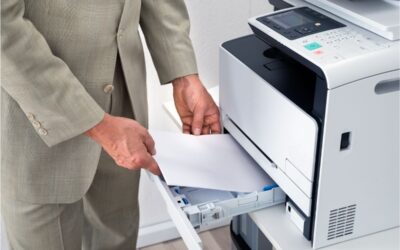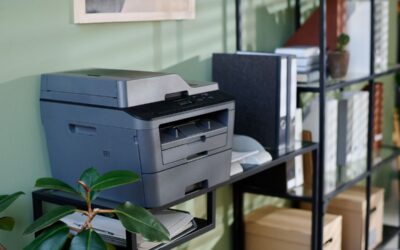

Are you curious about the difference between liquid and dry toner printers? To simplify the difference, a dry toner printer essentially refers to a printer that uses dry toner, whereas a liquid toner printer uses liquid toner. Although that seems simple enough, key differences between the two are worth considering.
What is toner?
Toners are a substance used in digital printers, including laser printers and copiers. Toner cartridges are solid powder and work best on multifunctional copiers and printers. Toner is required to print your graphics.
Although toner works well for multifunctional printers and copiers, most folks also use ink. The most significant difference between toner and ink cartridges is that they are designed to work with different types of printers. For instance, if you are printing with an inkjet printer, you will need ink cartridges.
The process involves a powdered pigment that bonds the paper with heating material when you use toner. Toner is a solid substance, and various types of toners are available, including plant-based toners, which may be a more environmentally friendly option for your print environment.
What is a dry toner printer?
A dry toner printer uses fine, powdered toner particles made of pigment encapsulated in polymer beads. During printing, these beads are transferred to the paper and fused using heat, permanently bonding the image to the surface.
Dry toner printing is commonly found in office printers, laser printers, and multifunction devices.
Benefits of Dry Toner Printing
Dry toner printers are popular in business environments due to their reliability and efficiency. Key advantages include:
- Fast print speeds with no drying time
- Sharp, consistent color accuracy
- No smearing or bleeding
- Ability to print on a wide range of media types
- Ideal for high-volume office printing
Because dry toner doesn’t require liquid evaporation, it’s especially effective for environments that demand speed and durability.
What Is a Liquid Toner Printer?

A liquid toner printer uses tiny particles of colored powder, called toner, suspended in a liquid carrier—usually a type of oil. This technology is typically found in digital presses and commercial printing systems, rather than in standard office printers.
In this process, the liquid toner, composed of extremely small pigmented resin particles, is transferred to the paper, where it is fused as the carrier liquid evaporates.
Benefits of Liquid Toner Printing
Due to these qualities, liquid toner printing is favored in professional and commercial settings where print quality is critical. Its strengths include:
- Exceptional color vibrancy and image detail
- Smooth gradients and photographic-quality output
- Minimal fading or smudging
- No warm-up time required
- High-speed production for commercial print jobs
Furthermore, because liquid toner particles are smaller than dry toner, they can produce sharper edges and more refined details. This makes them especially suitable for marketing materials and premium prints.
To stay up to date on industry news and trends, be sure to follow our Facebook, LinkedIn, and YouTube channels for more information. Our blog is also an excellent resource for your printing needs and office solutions.